
The Bridge, Part 4
The End

Well, I’ve come up with an ending. I was a bit nervous for a while because when I started, I didn’t know how I wanted to wrap it up. This was one of those stories that sneaked up on me, and as I’ve said in previous posts, I like to explain the genesis of the tales I create. With this one, I can’t. However, I often write about Justice, so I’m sure this theme plays a part in my writing The Bridge. Let me know if The End is satisfying.
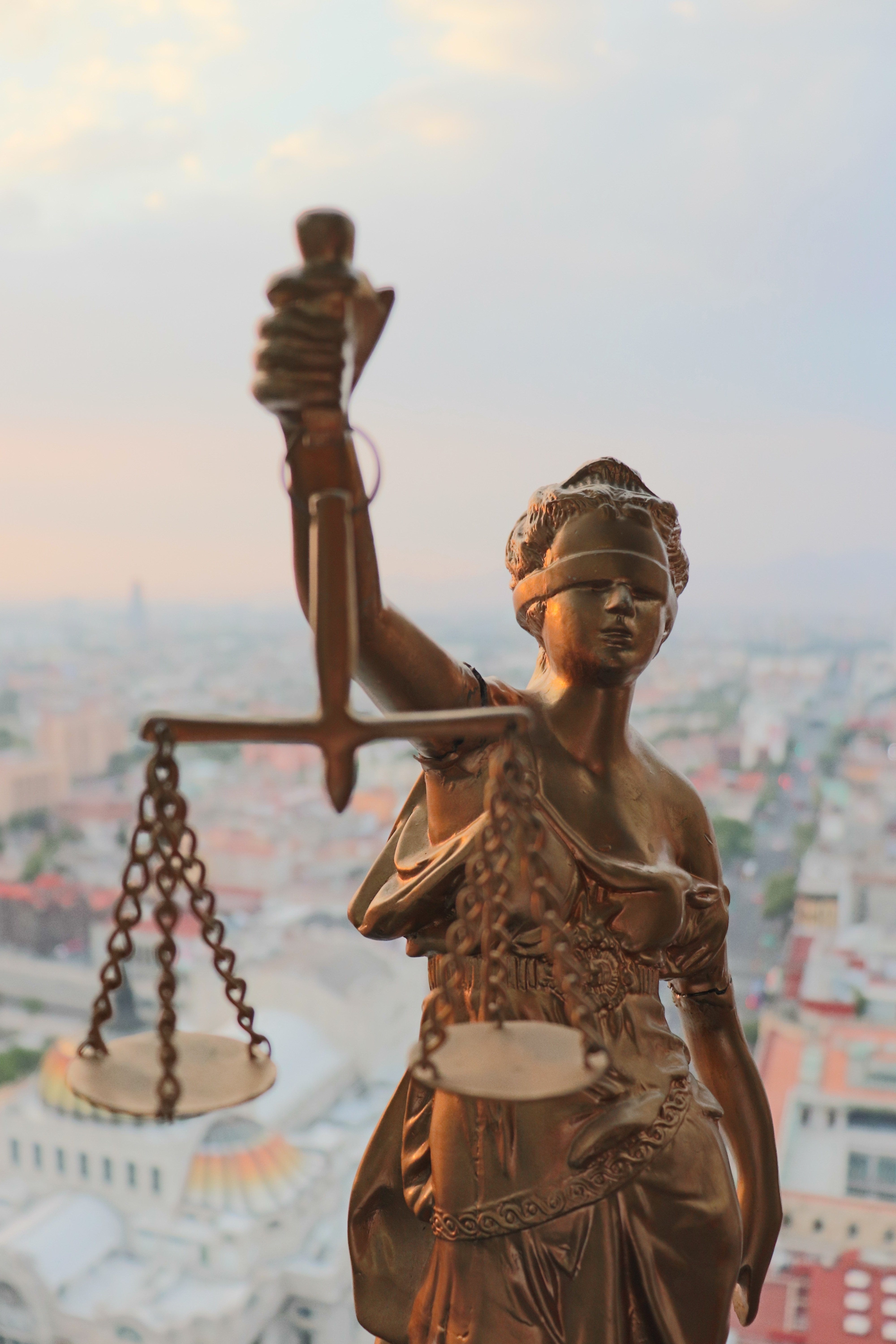
Image by Ezequiel Octaviano from Pixabay
The Bridge
Part 4, The End
Attics are treasure troves for reporters, especially ones writing for a tabloid. I climb the drop-down ladder in my family home to explore what ours holds, and when I open the door, I’m relieved to find such a tidy space—one large 19th-century steamer trunk, a few stacked boxes—all labeled by year—and a wooden file cabinet. It won’t take long to go through what’s here.
The boxes are tax records and cancelled checks. The steamer trunk is empty. When I pull out the file drawers, they are all empty, except for the one at the bottom. It’s crammed with everything from sales receipts to old passports—my grandfather’s and my grandmother’s.
There’s nothing here to help me find more about that fire, so I’m about to close the drawer when I notice an envelope on the bottom. I remove some of the folders and retrieve it.
Across the front is “For Michael,” and the date on the paper inside is June 18, 1955. A week after the fire. My hands tremble as I read:
Dear Michael, I’m so sorry we argued. I only wanted you to understand how much it would hurt me if you left. And oh, how I regret what happened. When that gas can exploded, I ran, but you went inside. You saved students…our friends, Michael. And you never told anyone the truth about my part in this horrible tragedy. I don’t deserve what you’ve done for me. Glory
I stare at the signature. So Glory admitted to doing something that caused that fire. Her confession had been in this house for seventy-one years. And my grandfather knew the truth, but never said a word. He even hid her confession.
Later that afternoon, I drive to Glory’s house, and she opens the door before I knock. Her gaze moves to the envelope in my hand, and her lips press into a resigned smile.
“You found it.” Not a question.
“You started the fire, Glory.”
She doesn’t respond.
“My grandfather covered for you.”
“Yes.”
“Four people died.”
“Yes.”
The answers come so easily that she frightens me.
I expected tears. Remorse. A defense. Instead, she looks exhausted, like someone who has spent too many years carrying a boulder and no longer has the strength to pretend it isn’t heavy.
“Why?” I ask.
Her laugh is sharp, without any humor.
“Because I was seventeen and stupid and in love.” She looks past me toward the darkening street. I was angry that day when I found out about Michael’s scholarship. He was leaving. He belonged here. He belonged to me.” She shook her head. I never thought there would be a fire.”
“But there was.”
For the first time, there’s genuine pain in her face. “Every first day of every month I’ve gone to that bridge.”
“To meet the Glory Hayes from 1955?”
She nods. “The bridge connects moments between the past and the present. I never understood it. I met myself the first time I came here after the fire, so scared, needing someone to talk to, but knowing I couldn’t share what I’d done.” She takes a breath. “She was a comfort, but as the years passed, talking to her became a constant reminder of what I’d done.” She swiped at her eyes. “Still, I liked the company, and she…I avoided talking about that terrible thing that happened. Then yesterday…” Her voice became a whisper. “She dredged up that day, the stupid thing I did. It became as fresh as when it happened.”
I feel sorry for her, but the reporter in me has to know more. “What does she want?”
Glory smiles sadly. “Justice, I suppose.” She shrugs. “After all, that’s what I want before I die.”
The next morning, I return to the bridge alone. The river flows in the slow rush of late spring water; otherwise, I stand in silence. Then I hear a familiar young woman’s voice.
“You’re back.”
I turn quickly in her direction.
She’s in the middle of the bridge. Seventeen years old. Beautiful. Glory Hayes exactly as she appeared in the newspaper photograph.
For a moment, I can’t breathe.
“You can see me?” she asks.
“Yes.”
“Good. She never believed anyone else would. Maybe you being here the other day helped make a connection. Or maybe it’s because of who you are. You look so like him.” The girl glances toward the river. “So do you know everything?”
“What do you mean by everything?”
“I told the police the can was empty, but I left out that when Michael and I argued, I don’t know why I did it, but…I dumped what was in it at his feet, then told him that I hoped he’d have a great life and he could go to Prom with anyone but me.”
Her smile vanishes, and she looks away as if she’s seeing that moment in her past. Then she faces me again. “Michael started the fire.”
“What?”
“Oh, it was an accident. He was distracted—really upset about our argument and the gas I’d spilled near him. He did something he rarely did. He lost his temper, kicked that can hard.” She stops for a breath. “We were by the utility room…uh…the water heater was…there.” She looks to the sky, letting the tears streak down her cheeks. “The pilot light….”
And then I see how that fire started, and the bridge seems to tilt beneath my feet. “No.”
“It happened so fast. Suddenly, we were surrounded by flames.” She’s having trouble breathing and takes in short gasps before she says, “The gym was old. The dry wood caught so fast. I ran, but he stayed and saved other people.”
What did that letter say? And you never told anyone the truth of my part in this horrible tragedy.
My grandfather hadn’t protected Glory. He had protected both of them by not telling how she’d supplied the fuel and how, with his angry kick, he’d “struck the match”.
The guilty truth had been split between two people and buried with one.
“Why is this coming out now?” I ask.
The young Glory looks toward the woods at an approaching figure. The old woman walks slowly, leaning on a cane, until she comes to where I’m standing with her younger self. They face each other across time.
“So he knows everything?” the old woman says.
The girl nods.
“Well, it’s long overdue.”
The younger Glory steps forward. “Are we finished?”
The old woman closes her eyes in a slow blink, then stares at her other self. “Yes.”
“Do you forgive me?”
“No.”
The answer hangs in the air, then the older Glory smiles. “But I forgive both of Us.”
The young girl slowly fades into a vague shape, as if she’s walking into a dense fog. “So do I,” she whispers before vanishing.
***
Three days later, Glory Hayes died in her sleep. The coroner called it natural causes.
I wasn’t so sure. I believed she willed her death so that I would feel free to write the story and finally tell the truth. And I did. Every word. The fire. Glory’s confession. My grandfather’s part. Even the bridge.
Bruno said that this story was too over-the-top even for the Wooten Monthly, and nobody would buy it.
I told him even if I was writing for this scandal-ridden rag, belief wasn’t my job. Truth was.
The article ran on the front page, and the issue sold out in two days.
A week later, I walked back to the bridge.
I stood in the middle and listened.
No conversations drifting through time.
Only the river flowed past.
Whatever force had connected the past and the present at this spot, it was finished.
After seventy-one years, justice had finally come at the bridge.
The End
If you like my writing, my books are on AMAZON as well as all major distributors. Here’s Not Guilty, one of my books that’s also about Justice.
One reviewer says, “When I picked up Not Guilty, I never expected that I wouldn't be able to put it down until the end of the book. There was just no ‘good’ place to stop for the night, because the story just kept me engaged and wanting to know more.”
Nice twisting/reframing. Excellently done.
I like how you continue to provide surprises throughout the story. Thanks for sharing, Lee.